
What Balboa Park's Museums Know About UV That Most Homeowners Don't
Key Takeaway
Museum conservation practice, published by the Getty Conservation Institute and the National Park Service Museum Handbook, treats ultraviolet filtration as a baseline requirement wherever daylight reaches collections. Balboa Park institutions in San Diego follow those standards. The same physics governs a home: ultraviolet light, visible light and heat together break down hardwood finishes, textiles, artwork and leather. Residential window film blocking 99 percent of ultraviolet light delivers comparable ultraviolet control at a small fraction of the cost of replacing glazing.
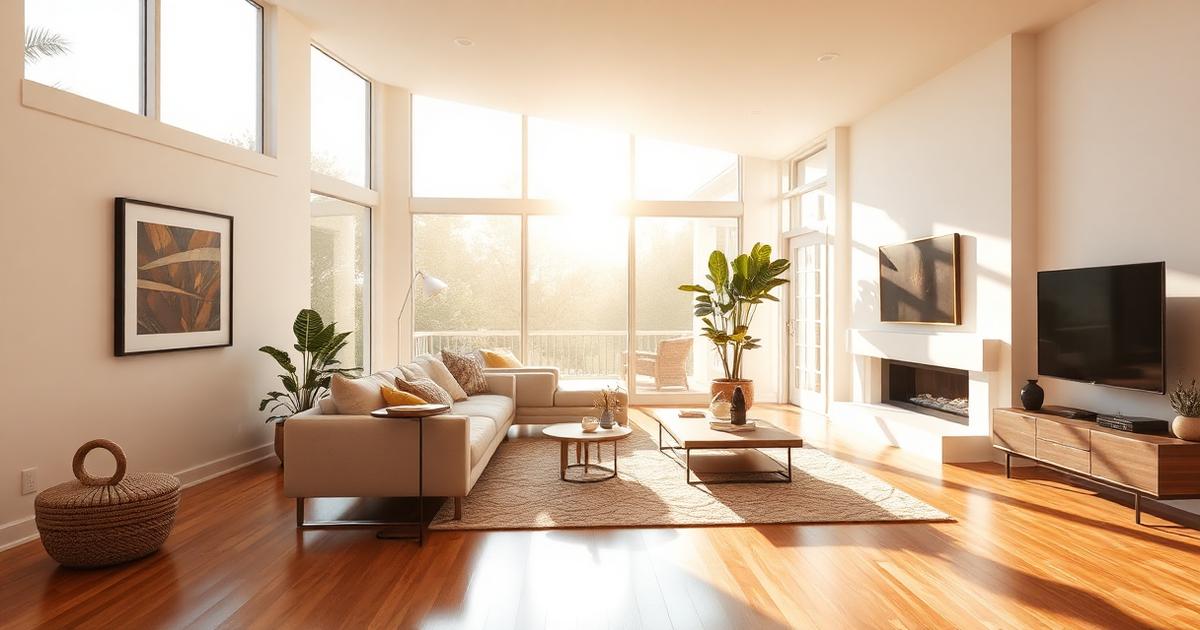
Walk through Balboa Park's museums and you are standing inside some of the most carefully controlled light environments in San Diego. Conservators spend their careers managing one recurring problem: daylight breaks down organic materials over time. Your living room receives the same daylight and the same physics, with far less protection — which is why hardwood floors, upholstery and artwork near unfiltered windows typically show visible fading and uneven coloring well before furniture in shaded rooms does. The timeline varies by material, orientation and sun exposure, but the underlying mechanism is identical to what conservators manage every day.
The Conservation Standard, In Plain Terms
The Getty Conservation Institute and the National Park Service Museum Handbook publish the reference literature the field works from. The core idea is straightforward: light damage is cumulative and irreversible. A pigment does not recover, a varnish does not un-yellow, and a textile does not regain the strength it lost. Because you cannot undo it, the entire strategy is prevention — filter the ultraviolet, limit the visible, control the heat and humidity.
You can see the result in the galleries at the San Diego Museum of Art, the San Diego Natural History Museum, the Fleet Science Center and the San Diego History Center, all within Balboa Park. Daylight is used deliberately and filtered aggressively.
Your House Is Running the Same Experiment
| Material | How it fails | Where it shows first |
|---|---|---|
| Hardwood and engineered flooring | Finish ambers, stain lightens unevenly | The rug line by a south or west window |
| Photographs and works on paper | Dye shift, paper yellowing | Frames on a sunlit wall |
| Leather and upholstery | Drying, cracking, color loss | Seat backs facing the glass |
| Wool and natural-fiber rugs | Fiber weakening, fading | The half of the rug in the sun path |
| Cabinet and trim finishes | Yellowing clear coats | Kitchen runs beside patio doors |
San Diego makes this worse than most of the country for one reason the EPA UV Index scale makes obvious: our latitude, elevation and clear-sky day count keep UV intensity high across a long season, not just in July.
Three Damage Mechanisms, One Film
Fading is not a single process. Ultraviolet radiation carries enough energy to break chemical bonds directly. Visible light contributes its own share, particularly to organic dyes. Heat accelerates both, which is why the hottest wall in the house is usually the most faded one. A good film addresses all three: 99%+ UV rejection, meaningful infrared rejection, and selective control of visible transmission where glare is a problem.
Performance is measurable, not marketing. The National Fenestration Rating Council certifies solar heat gain coefficient and visible transmittance, the International Window Film Association publishes installation and performance references, and Energy Star lists qualifying window film products.
What This Costs Versus the Alternatives
Replacing glazing with UV-filtering laminated units is the museum answer and the expensive one. Film delivers the ultraviolet performance at a fraction of the price, installs in a day, and does not touch the exterior appearance of the house — which matters in HOA neighborhoods and historic districts. California's energy code creates a second reason to consider it: filmed glass improves solar heat gain performance, covered in our Title 24 guide, and some measures qualify under the utility programs described in our SDG&E rebate guide.
Where to Start in Your Own Home
- Identify the two or three worst windows first — usually south and west exposures with no eave shading.
- Note the glass type. Dual-pane low-E units need film rated for them.
- Decide glare versus brightness. A spectrally selective film keeps a room bright; a darker film tames a west-facing glare problem.
- Prioritize rooms holding the things you would not want to replace: art, floors, a piano, heirloom textiles.
Museum-Grade Protection, Residential Scope
See our residential window tint service for film options and coverage, and read the UV and skin cancer guide for the human half of the same problem. Businesses with a similar glass load should start with our commercial ROI breakdown.
Frequently Asked Questions
Do San Diego museums really use UV-filtering glazing?
Museum conservation practice, documented by the Getty Conservation Institute and the National Park Service Museum Handbook, treats ultraviolet filtration as a baseline requirement for any gallery with daylight. Balboa Park institutions follow the same conservation standards used across the field.
Can residential window film match that level of protection?
For the ultraviolet band, yes. Quality residential ceramic and spectrally selective films block 99% or more of UV, which is the same target conservators design toward, at a small fraction of the cost of replacing glazing.
Is UV the only cause of fading?
No, and this is the most common misconception. Conservation literature attributes fading to ultraviolet light, visible light and heat together, with UV responsible for a large share but not all of it. Film that also rejects infrared and reduces visible transmission addresses all three mechanisms.
Will window film make my rooms dark?
Not necessarily. Spectrally selective films hold high visible light transmission while rejecting UV and infrared, so a north-facing room keeps its brightness. Darker films are a choice for glare control on west-facing glass, not a requirement for UV protection.
Does residential film void a window warranty?
Some manufacturers restrict film on certain insulated or low-E units. We check the glass type before quoting and choose a film rated for it, which is the same due diligence a conservator applies before treating a display case.
Related Window Tint Guides
More from our residential tint research library — each guide covers a different part of the same topic.
- sdge window film rebateSDG&E Rebates & Energy Savings From Home Window Film in San Diego
- title 24 window filmTitle 24 & San Diego Home Energy Code: Where Window Film Fits
- home office window tinting san diegoWindow Tinting for San Diego Home Offices: Glare, Heat & Privacy
- commercial window film orange countyIrvine Spectrum & UCI Tech Corridor: Commercial Window Film for OC Offices
- commercial window tinting roiCommercial Window Tinting ROI for San Diego Buildings (LEED + Energy Star)
- factory tintFactory Tint Isn't Window Tint: What Your Privacy Glass Really Does (and Doesn't)
What Our Customers Say
Get Your Free Tint Quote in 60 Seconds
Premium mobile window tinting across San Diego & Orange County. We come to your home, office, or anywhere convenient — same-week appointments available.
GET YOUR FREE QUOTE
Service Type *
Add-ons (optional)